
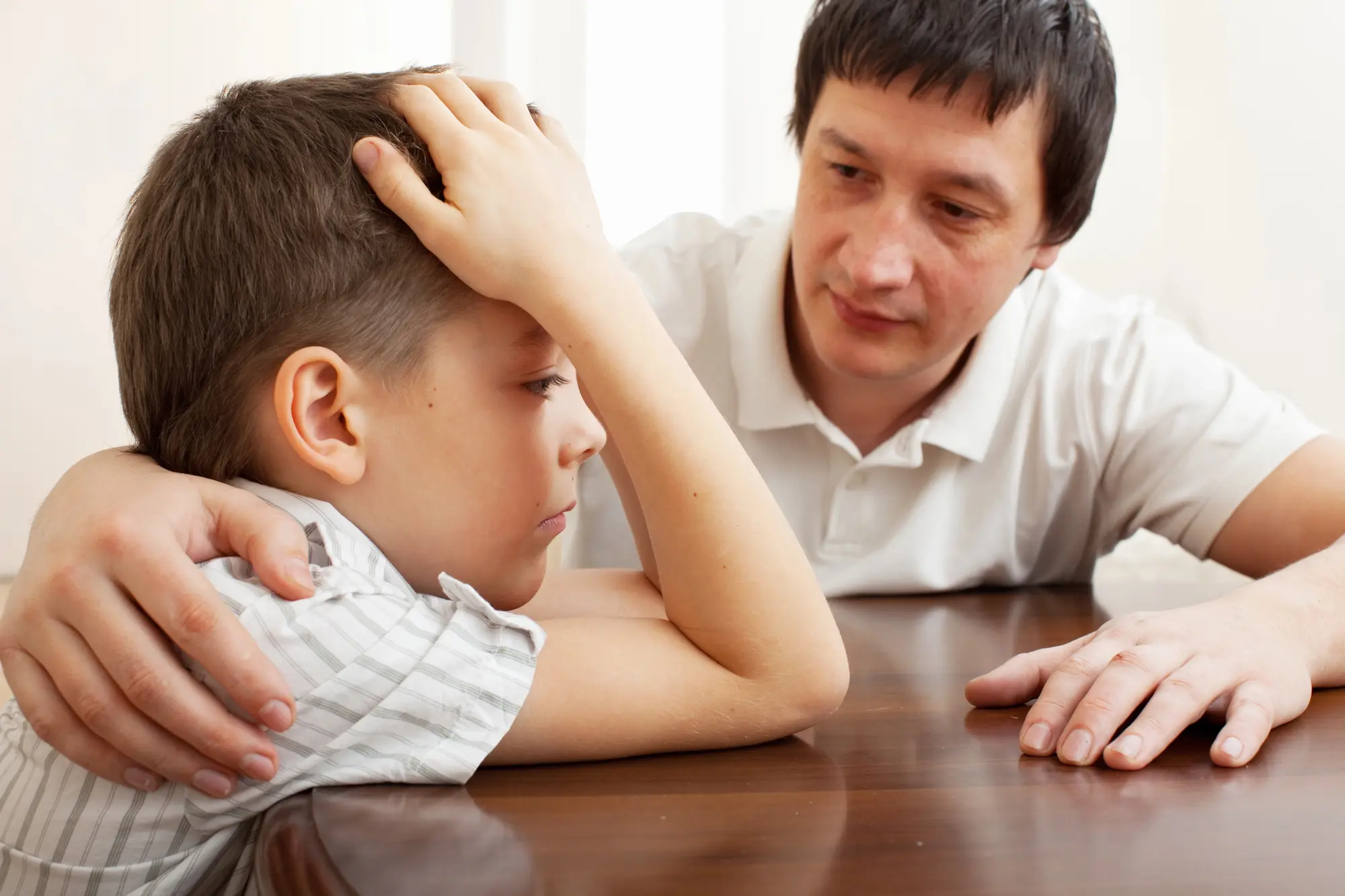
Your children need consistent reassurance that they are loved, they are safe, and they are not to blame for the changes that are happening around them. They also need emotional stability, which comes from your ability to stay present, patient, and calm. Keeping your children out of your conflict, maintaining respectful communication with your co-parent, and paying attention to signs of stress will all play a major role in how your children adjust over time.
Listen For What Your Children Are Really Asking
When you go through a separation, it is easy to get pulled into legal and financial decisions. Your children, however, are focused on something much more personal. They are quietly asking if they are still loved, if they are safe, if they caused the situation, and what their future will look like.
Core Emotional Needs You Should Prioritize
During this time, your children need steady emotional support from you. They need love, expressed clearly and often, so they understand they are not responsible for what is happening. They need support, which means you make time to listen, comfort them, and answer questions in ways they can understand. They also need patience, because your children may show stress through mood swings, anger, withdrawal, or tears.
Keep Your Children Out of Your Conflict
Your children should never be involved in adult issues. Even small actions can place them in the middle if you are not careful.
This includes asking them to pass messages, report on the other parent, or weigh in on disagreements. It also includes subtle pressure, such as speaking negatively about the other parent within earshot.
Your children want to maintain a relationship with both of their parents without feeling guilt or loyalty conflicts. By keeping them out of your disputes, you protect their emotional well-being and allow them to remain children rather than participants in adult problems.
Using tools like Mediation or Collaborative Divorce will help reduce the conflict and create a more respectful environment for your children.
Conflict Has a Greater Impact on Children Than Divorce
Children can adjust to new routines, two homes, and changes in family life. What affects them most is not the separation itself, but the level of tension between you and your co-parent.
Exposure to arguments, criticism, or ongoing hostility can create stress that lingers far longer than the transition of living arrangements.
You can reduce that impact by keeping communication calm and respectful, especially in front of your children. When both parents are involved and supportive, and conflict stays contained between the adults, your children will be far more likely to adapt in a healthy way.
Know When to Consider Counselling
Some children adjust with time and support at home, while others may need additional help processing their emotions.
Pay attention to changes in behavior such as sleep issues, trouble at school, withdrawal from friends, or ongoing sadness or anger. You may notice your child taking on too much responsibility or blaming themselves. If you see these signs, counselling can provide a safe space for your child to talk openly. Counselling should be seen as support for your children, not as a punishment. Let your kids know it is a place where they can express themselves freely.
Building a Stable Emotional Foundation
Your role as a parent is to create a sense of safety and stability during a time of change. You do that by being present, listening without judgment, and maintaining consistency in routines and expectations.
You can also protect your children by shielding them from conflict and reinforcing that both parents care about them. Small, steady actions over time make a meaningful difference in how your children adjust.
Contact Miller Boileau Family Law Group
For effective and practical legal advice, call the lawyers at Miller Boileau Family Law Group at 780-482-2888 or contact us here.
FAQs
1. How often should you reassure your child during a divorce?
You should reassure your child regularly, not just once. Children need repeated reminders that they are loved, safe, and not responsible for the separation.
2. What are signs your child may need counselling?
Look for changes in mood, sleep, school performance, friendships, or behavior. Ongoing sadness, anger, or withdrawal can indicate that your child would benefit from professional support.
3. How can you reduce the impact of conflict on your child?
Keep communication respectful, avoid arguing in front of your child, and do not involve them in disputes. Options like Mediation or Collaborative Divorce will help you to manage conflict more effectively.

Pierre Boileau
With over 35 years of practice Pierre Boileau, K.C. has gained experience as a Mediator, Collaborative Family Lawyer, Litigator and now as an Arbitrator. Pierre’s extensive experience has shown him that client satisfaction is maximized when clients have control over their own future. This can best be achieved through interest based negotiation. Only as a last resort, should litigation be considered. When necessary, Pierre relies upon his vast court experience and training.
Pierre remains committed to continuing to practice at a high level with particular care, interest,and sound judgment. He doesn’t shy away from particularly challenging cases. Pierre’s greatest reward comes from the satisfaction of assisting clients through one of the most challenging experiences of their lives.